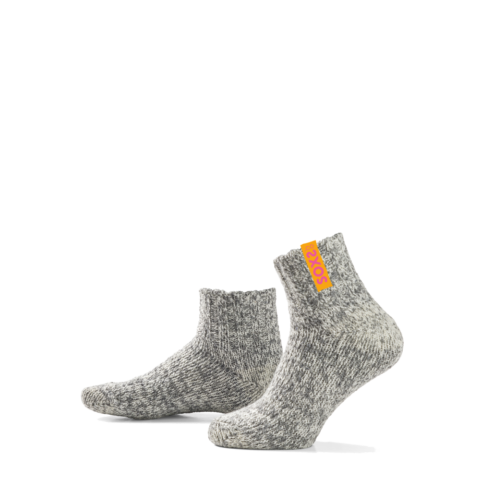

(H)eerlijk warme sokken!
Warning: SOXS zijn erg verslavend!
Gratis verzending vanaf €50,- (NL)
Bestellingen voor 13:00 uur worden vandaag verzonden (op werkdagen) Let op! De levertijd van Pimp My Soxs is 5 werkdagen
Articles
Note that returning untrue cannot avoid son components out of re-helping to make when hawaii alter. While you are confident we should generate it manually, you can even contrast it.props which have nextProps and that.condition having nextState and you can get back untrue to tell Function the brand new inform is going to be missed. PureComponent functions a shallow assessment of props and you can condition, and you may decreases the opportunity which you’ll disregard an essential update. ShouldComponentUpdate() is actually invoked ahead of leaving when the newest props or condition are now being acquired.
Neglecting to manage componentDidUpdate securely is a very common way to obtain pests within the Behave apps. Let’s have a peek at this web-site look at an useful example observe why which structure helps us do parts having fewer bugs. As you may use the state Hook up over and over again, you can even have fun with numerous effects.
(We’ll afterwards talk about ideas on how to modify that it.) Rather than convinced regarding “mounting” and “updating”, you could find they simpler to think that effects takes place “after give”. Automatically, they operates one another following very first offer and you will after every upgrade. Inside feeling, we put the fresh document identity, however, we can along with perform analysis fetching otherwise phone call additional vital API.
GetDerivedStateFromProps is actually invoked right before contacting the newest provide method, each other to your initial mount and on after that position. In the future Behave can get remove shouldComponentUpdate() since the a hint instead of a rigorous directive, and you can coming back untrue might still lead to a good lso are-rendering of your own component. We do not strongly recommend undertaking strong equivalence inspections otherwise using JSON.stringify() in the shouldComponentUpdate().

Webpack v4+ have a tendency to minify your own password automatically inside creation mode. You shouldn’t ticket the newest -p flag or implement so it plug-in within the innovation, because it have a tendency to mask helpful Act cautions and then make the fresh generates slowly. Such values can be defined as industries on the parts including.
If you don’t, which.props might possibly be vague regarding the constructor, resulted in bugs. These processes have been called when there is a blunder while in the leaving, in the a great lifecycle approach, or even in the new constructor of any man parts. For each and every role has several “lifecycle tips” to override to perform password from the sort of times inside the the method. We strongly recommend facing causing your own feet component groups. It does plot up variations in text content, but you is to lose mismatches while the pests and you will improve him or her. Behave expects that the rendered content is actually similar between your machine and the customer.
When the specific well worth isn’t used in rendering or investigation flow (for example, a timekeeper ID), you wear’t must place it from the state. DefaultProps can be described as a home to your role class by itself, to set the brand new standard props to the classification. This will result in the standard lifecycle methods for man portion, including the shouldComponentUpdate() form of each child. Should your offer() strategy utilizes various other investigation, you could potentially share with Act that the parts means re-leaving by the contacting forceUpdate().

GetDerivedStateFromError() is known as in the “render” stage, very side-outcomes commonly allowed. Mistake boundaries just catch mistakes in the section less than him or her inside the the new forest. A course component becomes a mistake line whether it talks of sometimes (otherwise both) of one’s lifecycle actions static getDerivedStateFromError() otherwise componentDidCatch().
Therefore Behave in addition to cleans up outcomes from the past give before running the results next time. But not, as we discovered earlier, effects work at for each render and not only immediately after. Work functions the newest cleaning if the parts unmounts.