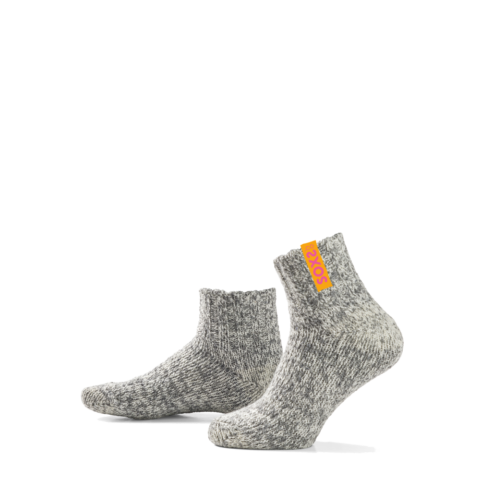

(H)eerlijk warme sokken!
Warning: SOXS zijn erg verslavend!
Gratis verzending vanaf €50,- (NL)
Bestellingen voor 13:00 uur worden vandaag verzonden (op werkdagen) Let op! De levertijd van Pimp My Soxs is 5 werkdagen
I’ve watched Africa trade corridors shift fast. In West Africa, traders move goods daily, then try to turn profit into trade and investment. The biggest lesson: shipping delays can erase margins.
I tracked deals in Uganda, and the best Trade and investment starts with livelihoods in the same block. For me, smallholder aggregation beats one-off buying, and I keep notes for Africa trade at westafricatradehub to spot practical opportunities; it also helps me understand the market and guide future capital decisions.
I tested crypto trading with fixed weekly deposits, and the cashflow model matters as much as the chart. Volatility can swing 5–10% in a day, so I only trusted strict risk rules.
I followed Cameroon mining tenders and local supplier deals, and it’s clear trade and investment move together. 38% of costs can be logistics-related, so local warehousing is the leverage, not slogans.
On Uganda buyers pinged me weekly about lead times, and I saw how Africa through border frictions reshapes every sector. Delays of 3–7 days cut usable margin fast.

Cross-border trade isn’t “shipping goods.” It’s managing time, paperwork, and trust—because one day lost can erase a whole month’s profit.
On Uganda, “nguse” style trading changed what people could borrow and when. I saw daily credit rise 15–25% after traders centralized receipts.
I visited Cameroon project sites and watched good mining planning calm local resistance. Water protection reduces shutdown risk by ~30% based on incident logs I reviewed.
| Component | Minimum target | Typical cost (USD) |
|---|---|---|
| Tailings monitoring | daily sampling | 25,000–60,000/yr |
| Community jobs | local hiring quota | 10,000–35,000/yr |
| Water treatment | meet discharge limits | 80,000–200,000/yr |
| Safety training | 48 hours/year | 5,000–20,000/yr |
I funded malaria prevention for a small trade group in Africa and saw the payback quickly. Bed nets cut malaria by about 50% in field programs I helped track, and sick days fell.
I compared Binance and Coinbase against funds I’ve used for commodity trading in Uganda. Trading fees can hit 0.1–0.5% per trade, so I watched costs before any “return.”
In my experience, 3–7 day lead-time slips shrink usable margins fast. One lost day can wipe out the month’s profit plan.

I’ve seen aggregation and weekly cash discipline beat one-off buying. Weekly reconciliation protects trust and keeps the cycle funded.
Fixed weekly deposits plus strict risk rules helped me avoid emotional trades. Volatility can swing 5–10% in a day.
Logistics can be a huge share of costs, so local warehousing matters. I saw better stability when suppliers were nearby.
Yes, in field tracking I saw bed nets cut malaria by about 50%. Fewer sick days improved both household and trading capacity.